
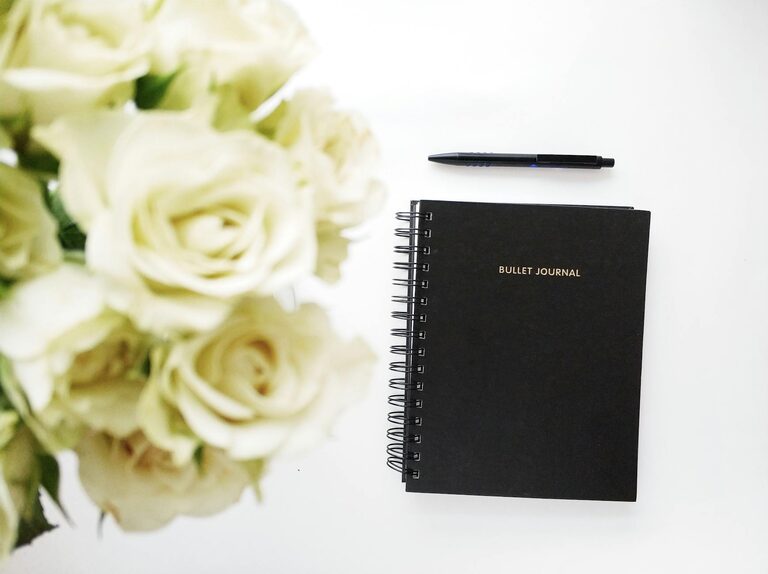
What Is Bullet Journaling?
Bullet journaling is a simple yet flexible system that combines a planner, diary, and to-do list all in one notebook. Created by Ryder Carroll, it uses short bullet points and symbols to help you quickly log tasks, events, and notes.
Unlike traditional planners, bullet journals are customizable to fit your personal style and needs. Whether you want to track your goals, manage daily tasks, or just jot down thoughts, a bullet journal can be a handy tool to keep everything organized.
Why Start a Bullet Journal?
There are many reasons why people love bullet journaling:
– Flexibility: You design the system around what works for you.
– Creativity: You can use colors, drawings, and layouts to personalize your journal.
– Productivity: It helps you prioritize and keep track of tasks.
– Mindfulness: Writing things down can boost focus and reduce stress.
– Memory: It’s a way to keep records and reflect on your progress.
If you’re looking for a customizable organization method that doubles as a creative outlet, bullet journaling might be a great fit.
Getting Started: What You Need
Starting a bullet journal is easy and requires minimal supplies:
– Notebook: Any notebook will do, but dotted or grid notebooks are popular since they offer structure without being too restrictive.
– Pens: Fine-liners, gel pens, or regular ballpoint pens work fine. You might want a few colors for highlighting and decoration.
– Ruler: Helpful for drawing straight lines and creating consistent layouts, though not every page needs it.
– Optional: Stickers, washi tape, or markers for personalizing your journal.
Remember — you don’t need fancy supplies to start. The most important thing is to begin.
Core Elements of a Bullet Journal
Here are the basic components to include when setting up your bullet journal:
1. Index
The index is usually at the front of your journal. It acts as a table of contents so you can easily find pages later.
2. Future Log
This section is where you jot down upcoming events, appointments, or goals for the coming months.
3. Monthly Log
Each month gets its own page or spread to list key dates and a simple calendar overview.
4. Daily Log
These pages are for recording day-to-day tasks, events, and notes using short bullet points.
5. Collections
Collections are themed lists or trackers, such as habit trackers, books to read, or project plans.
Bullet Journal Symbols and Signifiers
Bullet journaling uses symbols to keep your entries clear and easy to scan. Here are the basic ones:
– Task: • (a solid dot)
– Event: ○ (an open circle)
– Note: – (a dash)
– Completed: X (cross out the task)
– Migrated: > (task moved to another day or month)
– Scheduled: < (task scheduled for a specific time)
Feel free to create your own symbols that make sense to you.
Step-by-Step: Making Your First Pages
Step 1: Set Up the Index
Reserve a couple of pages at the beginning of your notebook for the index. As you add new sections, record the page numbers here.
Step 2: Create the Future Log
Divide two or four pages into monthly sections. Write down important dates or appointments for the coming months.
Step 3: Build the Monthly Log
Create a calendar or list for the current month, noting important events and goals.
Step 4: Start Your Daily Log
Each day, write the date and add bullets for tasks, events, and notes. Mark tasks as completed, migrated, or scheduled.
Step 5: Add Collections
Think of any lists or trackers you’d find helpful (e.g., habit tracker, gratitude log). Dedicate pages to them and add them to your index.
Tips for Success with Bullet Journaling
– Keep it simple at first: Don’t get overwhelmed by fancy layouts or decorations.
– Make it a daily habit: Spend a few minutes each day updating your journal.
– Review regularly: Look back to migrate unfinished tasks or reflect on progress.
– Adapt as you go: Change layouts or symbols if they don’t work for you.
– Use your creativity: Feel free to decorate pages with doodles, colors, or stickers to make journaling fun.
Common Bullet Journal Mistakes for Beginners
– Trying to plan everything perfectly from the start.
– Overcomplicating layouts before understanding what you need.
– Losing momentum by not updating the journal daily.
– Skipping the index, which makes it hard to find pages later.
– Comparing your journal to others; everyone’s style differs.
Remember, your bullet journal is a personal tool meant to make your life easier, not a source of pressure.
Final Thoughts
Bullet journaling is a rewarding method to blend organization with creativity. By starting simple and customizing it to your needs, you can create a journal that helps you manage your tasks, track goals, and record memories all in one place.
Give it a try, and you might find that bullet journaling becomes more than just a planner — it becomes a mindful daily habit and a creative outlet.
Happy journaling!