
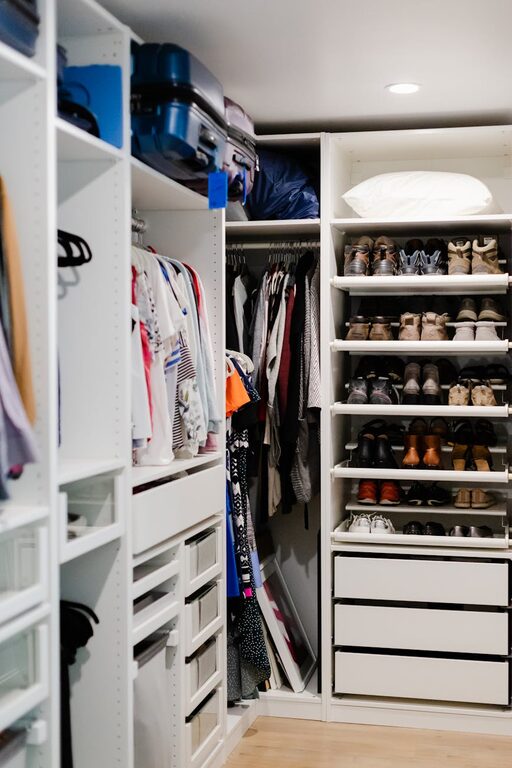
Storing seasonal clothes efficiently is key to maintaining a neat and organized wardrobe throughout the year. Whether you’re packing away winter sweaters or summer dresses, properly storing these items helps preserve their condition and frees up valuable closet space. In this post, we’ll explore practical strategies to store your seasonal clothes neatly and safely, so you can access them easily when the season changes.
Why Efficient Storage Matters
Storing clothes correctly prevents damage such as fading, stretching, moth infestations, and wrinkles. It also reduces clutter, making your daily dressing routine more enjoyable. By dedicating time each season to organize your wardrobe, you create a hassle-free system that saves time and effort in the long run.
Step 1: Sort and Declutter Your Clothes
Before packing away seasonal items, it’s important to sort through them.
– Assess Condition: Check for stains, damages, or wear. Repair or clean items before storing.
– Declutter: Donate or recycle clothes you no longer wear to create more space.
– Separate by Type: Group similar items such as sweaters, coats, dresses, or accessories together to make retrieval easier later.
Step 2: Clean Your Clothes Thoroughly
Always clean clothes before putting them into storage, as dirt and oils can attract pests or cause deterioration.
– Wash or dry clean: Follow care labels carefully.
– Ensure complete dryness: Damp clothes can develop mold or mildew.
– Spot treat: Clean any spots or stains thoroughly to prevent setting.
Step 3: Choose the Right Storage Containers
The type of container you use will affect the longevity of your clothes.
– Plastic bins with airtight lids: Ideal for protecting clothes from moisture and pests.
– Vacuum-seal bags: Great for bulky items like sweaters or coats, as they reduce volume and protect from dust.
– Fabric storage bags: Breathable and suitable for delicate items.
– Avoid cardboard boxes: They can absorb moisture and attract insects.
Step 4: Prepare Clothes for Storage
How you pack clothes can make a big difference in preserving them.
– Fold properly: Fold clothes neatly to avoid creases. For bulky sweaters, consider rolling instead of folding.
– Use acid-free tissue paper: Place between folds for delicate fabrics to prevent creasing.
– Stuff bags or containers: Fill empty spaces with clean, dry bags of silica gel or cedar blocks to absorb moisture and deter moths.
– Avoid hanging: Hanging clothes for long periods, especially heavy ones, may cause stretching. Store these flat or folded.
Step 5: Label Your Storage
Labeling containers helps quickly identify what’s inside without opening every box.
– Use large, clear labels indicating the season, category (e.g., “Winter Sweaters”), and any special instructions.
– Consider a simple numbering system linked to a master inventory list for larger collections.
Step 6: Select the Best Storage Location
The environment where you store your clothes greatly impacts their condition.
– Cool and dry: Avoid damp areas like basements or garages.
– Dark place: Exposure to light can fade fabrics.
– Away from direct heat: Keep away from heating vents or radiators.
– Ventilated: Ensure some air circulation to prevent mold growth.
Additional Tips for Special Items
– Leather and suede: Store in breathable bags and use conditioners beforehand.
– Silk and delicate fabrics: Prefer breathable storage and avoid plastic containers.
– Shoes and accessories: Use dust bags or shoe organizers separate from clothes.
When It’s Time to Switch Seasons
When you’re ready to bring your stored clothes back into use, inspect them for any signs of damage or pests before wearing. Give stored items a quick wash or airing if necessary. Rotating inventory seasonally keeps your wardrobe fresh and manageable.
Summary
Efficient seasonal clothes storage involves cleaning, sorting, choosing proper containers, labeling, and selecting the right storage spots. By following these straightforward steps, you’ll protect your clothes, reduce clutter, and enjoy a smooth wardrobe transition throughout the year.
—
By making seasonal storage a routine part of your wardrobe care, you’ll extend the life of your clothes and keep your home organized. Happy organizing!